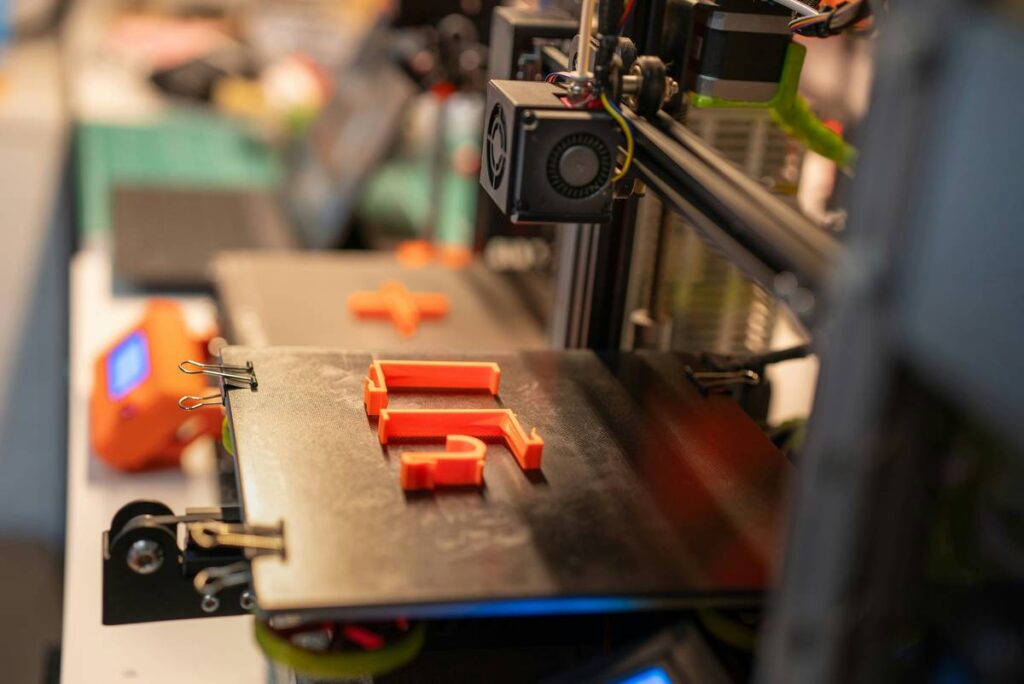
Traditional prototyping eats budgets and kills momentum. Weeks vanish in back-and-forth with vendors. Design tweaks? Forget real-time iteration. But what if you could go from concept to tangible prototype—in hours, not weeks? 3d printing and direct digital manufacturing flips the script.
Why Legacy Prototyping Still Loses You Time and Money
CNC machining, injection molding, even outsourcing to third-party rapid prototyping shops—all carry hidden costs. Lead times balloon when tooling is involved. A single design change can scrap thousands in sunk expenses.
And tolerances? They’re often over-engineered for early-stage prototypes—where function matters more than finish.
Worse: most teams treat prototyping as a gate, not a feedback loop. That mindset strangles innovation before it breathes.
3d printing and direct digital manufacturing: Your End-to-End Workflow
Forget “send and wait.” Direct digital manufacturing puts control—and speed—back in your hands. Here’s how elite product teams do it:
Select the Right Process for Your Stage
Not all 3D printing is created equal. Early concept models need speed over strength (hello, FDM or SLA). Functional prototypes demand durability—think SLS or MJF.
Design for Additive, Not Subtractive
Stop forcing CAD files built for machining into printers. Optimize wall thickness. Use lattices instead of solid fills. Embed living hinges directly—no assembly needed.
Validate Fast, Fail Cheap
Print three variants overnight. Test ergonomics, airflow, snap-fit tolerances. Kill flawed directions before they hit engineering review.
| Method | Lead Time | Cost per Prototype (Est.) | Ideal For |
|---|---|---|---|
| FDM (PLA/ABS) | 2–6 hours | $8–$25 | Concept models, form studies |
| SLA/DLP Resin | 4–12 hours + post-cure | $15–$40 | High-detail surfaces, dental/jewelry mockups |
| SLS (Nylon) | 1–2 days | $60–$150 | Functional parts, snap-fits, living hinges |
| CNC Machining | 5–10 business days | $200–$800+ | Final validation, metal prototypes |

The Industry Secret No One Talks About
Most companies use 3D printing only for internal prototypes. Big mistake. Forward-thinking brands like Prusa Labs and Formlabs now ship customer-facing products straight off industrial printers—no secondary manufacturing.
Here’s the math: at scale, MJF or binder jetting can undercut injection molding below 5,000 units. Why? Zero tooling. Real-time customization. And inventory becomes obsolete—you print on demand.
But—and this is critical—you must design with digital-native thinking. Stop mimicking mass production. Leverage complexity as a feature, not a cost driver.

Frequently Asked Questions
Is direct digital manufacturing cost-effective for small batches?
Yes—below 1,000 units, it often beats traditional methods. No molds, no setup fees. Just clean per-part pricing.
Can 3D printed prototypes handle mechanical stress testing?
Absolutely—if you choose engineering-grade materials like nylon-carbon fiber composites or ULTEM. Don’t confuse desktop PLA with industrial options.
Does this replace CNC entirely?
Not always. CNC still wins for high-precision metal parts or ultra-smooth finishes. But for 80% of functional plastic prototypes? Print first, machine later—if ever.