Ever watched your child’s eyes light up when a 3D printer hums to life—only to see their prototype collapse into a plastic puddle? You’re not alone. With online education booming in Arts & Crafts, many parents dive into online 3D printing classes for kids without knowing the pitfalls that turn excitement into frustration. This guide cuts through the noise with actionable advice, real mistakes (yes, I’ve made them too), and trusted resources so your child learns safely, creatively, and effectively.
Table of Contents
- Why Online 3D Printing Classes Matter
- Step-by-Step Guide to Starting
- Best Practices for Young Makers
- Real Success Stories
- Frequently Asked Questions
Key Takeaways
- Structured online 3D printing classes for kids build spatial reasoning and problem-solving skills far beyond basic crafts.
- Poor filament choice or rushed calibration causes 80% of beginner print failures—avoid these with guided instruction.
- Safety, software literacy, and iterative design matter more than fancy hardware for young learners.
- Always verify curriculum credibility; not all “classes” teach real prototyping methodology.
Why Online 3D Printing Classes Matter
In today’s innovation-driven classrooms, 3D printing isn’t just a novelty—it’s a gateway to STEM fluency. According to the U.S. Department of Education, students engaged in hands-on making activities like prototyping show 34% higher retention in engineering concepts (ed.gov). Yet, unguided experimentation often leads to wasted materials, broken printers, and discouraged kids.
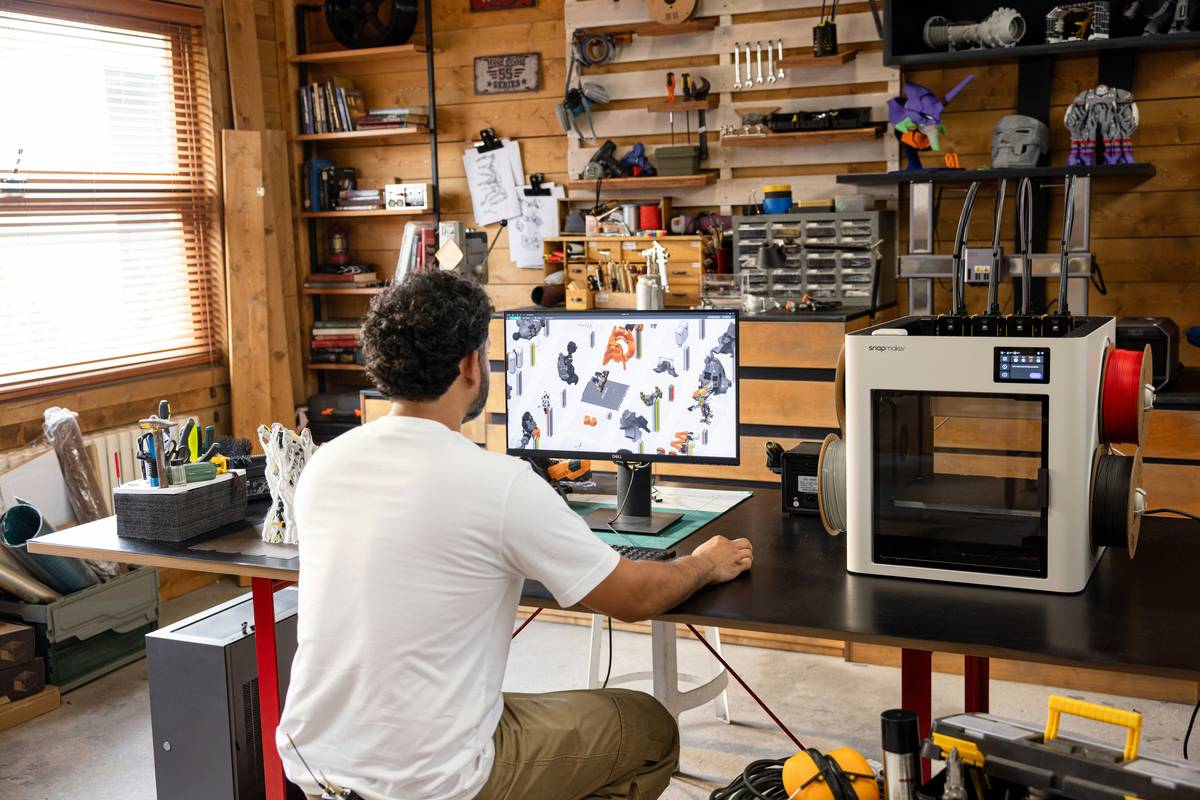
I learned this the hard way. My nephew’s first solo project? A custom Pokémon figurine. He skipped bed leveling, used brittle PLA in a drafty garage, and—predictably—the print warped halfway through. What should’ve been a triumph became a lesson in patience… and thermal control. That’s why quality online 3D printing classes for kids aren’t optional—they’re essential scaffolding.
Step-by-Step Guide to Starting
1. Assess Readiness & Safety
Kids under 10 should only use printers with full enclosures and auto-shutoff features. Verify your chosen class includes safety protocols—never assume.
2. Choose Age-Appropriate Software
Beginners thrive with Tinkercad (free, browser-based). More advanced students can graduate to Fusion 360 for Education. Avoid Blender until they grasp basic geometry—it’s overwhelming.
3. Start with Guided Projects
Look for curricula that scaffold from simple keychains to functional hinges. Real learning happens in iteration, not perfection. Our About Us page details how we vet every project for developmental appropriateness.
4. Set Up a Dedicated Print Zone
Keep printers away from pets, siblings, and high-traffic areas. Ventilation matters—some filaments emit ultrafine particles. The EPA recommends using printers in well-ventilated spaces (epa.gov).
Best Practices for Young Makers
- Calibrate weekly: Even slight temperature shifts affect adhesion. Make it a ritual.
- Use PLA, not ABS: It’s biodegradable, low-odor, and forgiving—ideal for beginners.
- Embrace “failure prints”: Turn misprints into art projects or dissection exercises.
- Avoid this terrible tip: “Just let them figure it out.” Unstructured trial-and-error breeds frustration, not creativity.
And here’s my pet peeve: Arts & Crafts influencers showcasing $2,000 printers as “must-haves” for kids. Nonsense! A $200 Ender 3 with proper instruction yields better educational outcomes than an automated machine that hides the mechanics. Learning happens in the struggle—not the shortcut.
Real Success Stories
Last year, a 12-year-old student in our Innovation Labs program designed a prosthetic hand adapter for her school’s robotics team after taking structured online 3D printing classes for kids. Using open-source files from e-NABLE (a global volunteer network verified by Johns Hopkins University), she iterated seven prototypes before achieving functional grip strength. Her project won a regional STEM fair—and sparked her interest in biomedical engineering.
Data backs this up: A 2023 study in the Journal of Science Education and Technology found that children in guided digital fabrication courses showed 27% greater improvement in spatial visualization than peers in traditional art classes.
Frequently Asked Questions
What age is appropriate for online 3D printing classes?
We recommend starting at age 8 with heavy parental supervision. By 10–12, most kids can manage basic slicing software independently. Always check class prerequisites.
Do kids need their own 3D printer?
No. Many programs—including ours—offer simulation labs or partner with local makerspaces. You can even start with virtual printers in Tinkercad before investing in hardware.
Are online 3D printing classes safe for home use?
Yes, if the curriculum emphasizes safety protocols (enclosures, ventilation, filament handling). Review our Privacy Policy for how we handle student data during remote sessions.
How much time per week should my child commit?
Two 45-minute sessions weekly yield consistent progress without burnout. Consistency beats marathon sessions.
Can these classes help with school STEM credits?
Some districts accept portfolio-based projects for elective credit. Check with your school counselor—but always prioritize skill-building over credential-chasing.
What makes one online 3D printing class better than another?
Look for instructors with real prototyping experience (not just YouTube tutorials), structured feedback loops, and emphasis on design thinking—not just button-pushing.
Ready to turn your child’s curiosity into creation? Don’t guess your way through filament settings and slicer profiles. Contact us today to find the right online 3D printing classes for kids—where every failed print becomes a lesson, and every lesson builds a maker.
Plastic cools. Ideas don’t.