Most beginners treat 3D printing like a magic toy—they hit “print” and expect perfection. Reality hits fast: warped edges, snapped supports, failed overhangs. You waste filament, time, and confidence. But what if your online course for 3d printing didn’t just teach software buttons—but how engineers think through prototyping?
Why TikTok Tutorials Won’t Save Your Prototype
Free YouTube guides skip the *why*. They show you slicer settings for one model—then leave you stranded when your drone arm cracks under load. Consumer-grade printers aren’t lab equipment. Without understanding material stress, thermal gradients, or functional tolerances—your print is just plastic theater.
And most courses? They’re recycled CAD demos with zero real-world validation.
Your Step-by-Step Path from Plastic to Prototype
Selecting Filament Like a Product Designer—not a Hobbyist
PETG for snap-fits. Nylon for hinges. Not PLA for everything. Material choice dictates print strategy—not the other way around.
Slicing Settings That Respect Physics
Wall thickness below 1.2mm on a functional bracket? It’ll crack. Orientation affects layer adhesion under shear force. You’re not “printing”—you’re laminating composite layers. Act accordingly.
Post-Processing as Part of the Design Loop
Sanding isn’t cosmetic—it’s dimensional correction. Vapor smoothing changes surface chemistry. Account for it upfront or scrap your tolerance stack-up.
| Approach | Time to Reliable Print | Failure Rate (First 5 Prints) | Real-World Applicability |
|---|---|---|---|
| Random YouTube Tutorials | 8–12 weeks | 78% | Low (cosmetic only) |
| Generic CAD-Centric Course | 6–8 weeks | 62% | Medium (static parts) |
| Engineering-Focused Online Course for 3D Printing | 2–3 weeks | 24% | High (load-bearing, moving assemblies) |
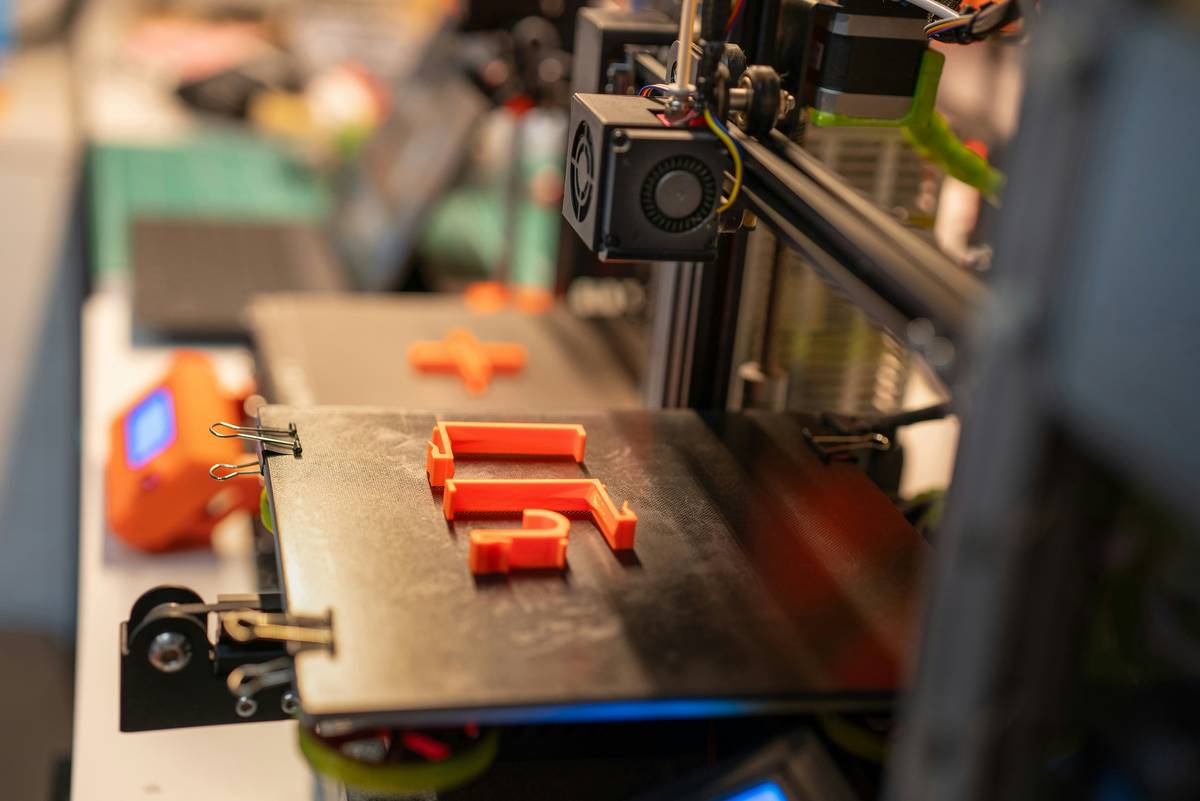
The Industry Secret: Prototypes Fail Forward—If You Track Them Right
Top innovation labs don’t celebrate “perfect first prints.” They log every failure in a build journal: ambient humidity, bed temp drift, layer shift at Z=23mm. Then they correlate that data against functional test results. Your printer isn’t broken—it’s giving you telemetry. Most students ignore this goldmine. At prntv.net, our online course for 3d printing forces you to build a failure taxonomy—so each botched print trains your intuition faster than ten successful ones. That’s how startups iterate hardware in days, not months.
Frequently Asked Questions
Do I need an expensive printer for this course?
No. We optimize workflows for sub-$300 machines. Engineering thinking matters more than hardware specs.
Can I use this for product development—not just models?
Absolutely. The curriculum focuses on functional validation: fit, form, and function under real loads.
How is this different from Coursera’s 3D printing MOOC?
Academic courses teach theory. We force you to break prints, analyze why, and rebuild smarter—like a pro.