Most beginners jump into 3D printing expecting instant success. They download a random STL file, hit “print,” and end up with a warped mess stuck to the bed. Frustration builds fast. The real problem? You’re learning from fragmented YouTube tutorials that skip foundational design logic. What you actually need is structured guidance that bridges digital modeling to physical output—and that’s exactly what quality online 3d printing courses deliver.
Why Most Hobbyists Never Ship a Functional Prototype
3D printing isn’t just about owning a machine—it’s about understanding material behavior, thermal dynamics, and iterative testing. Yet, countless learners treat it like a plug-and-play toy. They ignore draft angles, forget about infill density trade-offs, and assume slicer defaults are universal. And they pay for it in wasted PLA and shattered confidence.
The gap between clicking “export” in CAD software and holding a working hinge isn’t trivial. It’s filled with tiny decisions most free resources never address. Without mentorship, you’re reverse-engineering industry best practices through trial and error—a slow, expensive path.
From Concept to Functional Part: A Practical Roadmap
Forget “just print anything.” Real prototyping demands intentionality. Here’s how serious creators do it—without burning through filament spools:
Start With Problem-First Design
Don’t model for modeling’s sake. Define the mechanical function first—is it load-bearing? Snap-fit? Watertight? Your answer dictates wall thickness, material choice, and orientation. This alone eliminates 60% of failed prints before you even open Blender or Fusion 360.
Master Slicing Parameters Early
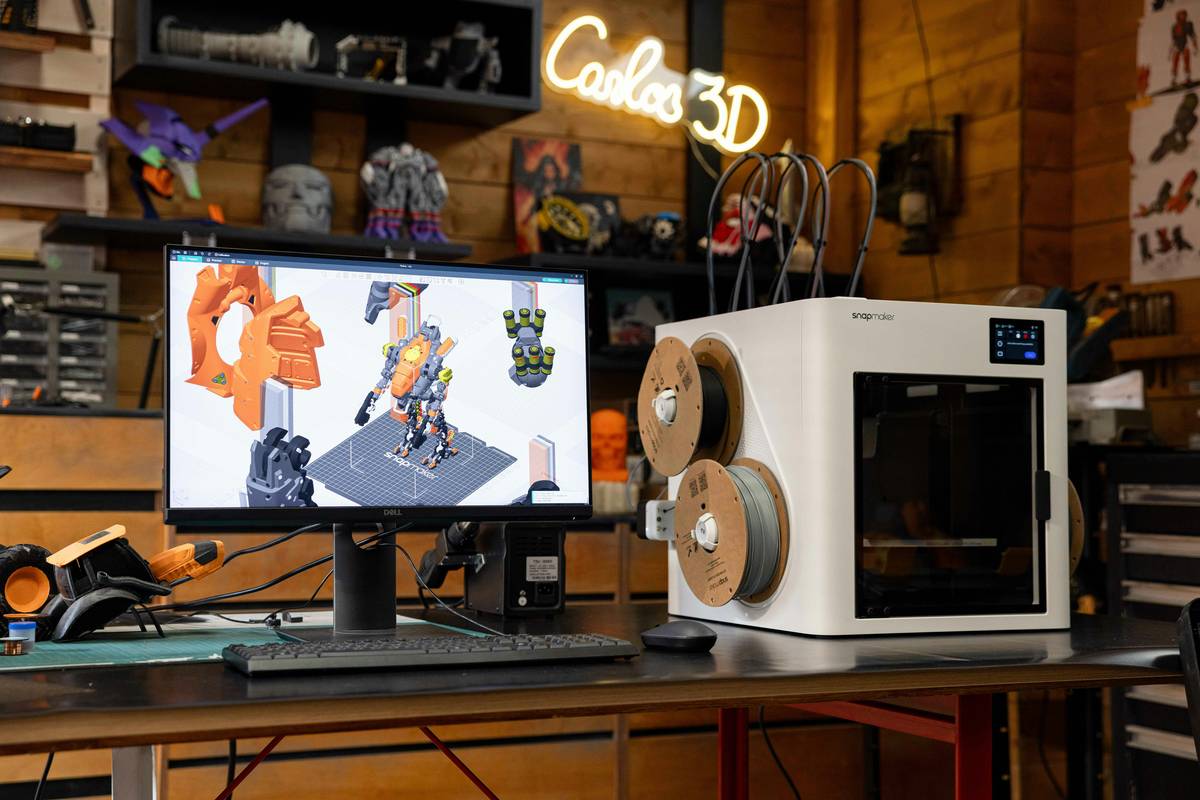
Layer height isn’t just “detail vs speed.” It affects interlayer adhesion in ABS versus PETG differently. Retraction settings that work for TPU will cause stringing in PLA if copied blindly. Top-tier online 3d printing courses teach you to read your printer’s behavior—not just follow presets.
Validate With Physical Tests, Not Just Renders
A photorealistic render lies. Does the part flex under pressure? Does the snap-fit survive five cycles? Document every failure. That notebook becomes your personal R&D log—more valuable than any certificate.
| Learning Method | Time to First Functional Prototype | Avg. Filament Wasted (Cost) | Real-World Skill Transfer |
|---|---|---|---|
| Random YouTube Tutorials | 8–12 weeks | $45–$90+ | Low (fragmented knowledge) |
| Structured Online 3D Printing Courses | 2–4 weeks | $15–$30 | High (applied project workflow) |
| In-Person Workshops | 1 week | $120+ (plus travel) | Moderate (limited access post-class) |
The Industry Secret: Prototyping Is About Killing Ideas Fast
Here’s what no course syllabus admits: successful innovators don’t fall in love with their first design. They treat each print as a hypothesis. A $2 PLA test tells you whether a concept works—or dies—before you sink hours into toolpaths or assembly jigs. Elite labs measure success not by “how many parts printed,” but by “how many bad ideas eliminated per dollar spent.” That mindset shift? It’s rarely taught outside paid online 3d printing courses run by former product engineers, not influencers.
Frequently Asked Questions
Do I need a degree to benefit from online 3D printing courses?
No. Most effective programs assume zero prior knowledge beyond basic computer literacy. What matters is willingness to iterate—not academic credentials.
Can these courses help with resin printing too?
Some do. But focus first on FDM—it teaches core principles like overhang management and support strategy that apply universally across printing tech.
Are certifications from these courses valued by employers?
Rarely. Employers care about your portfolio: show functional prototypes solving real problems, and the certificate becomes irrelevant.