Traditional prototyping in product development is slow, expensive, and rigid. You wait weeks for CNC parts or injection molds—only to discover a critical flaw that forces you back to square one. And the costs? They pile up fast. But what if you could iterate in hours, not weeks—and slash your development budget by half? That’s where the real benefits of 3d printing in manufacturing shine.
Why Legacy Prototyping Fails Modern Product Teams
Most manufacturers still rely on subtractive methods like CNC milling or outsourcing to tooling shops. It works—sort of—until your design needs three revisions. Each change triggers new setup fees, material waste, and lead-time delays. Time-to-market stretches. Cash burns.
Worse: these methods punish creativity. Designers self-censor complex geometries because they “won’t machine well.” Innovation stalls before it even starts.
The Step-by-Step Shift to Agile 3D Prototyping
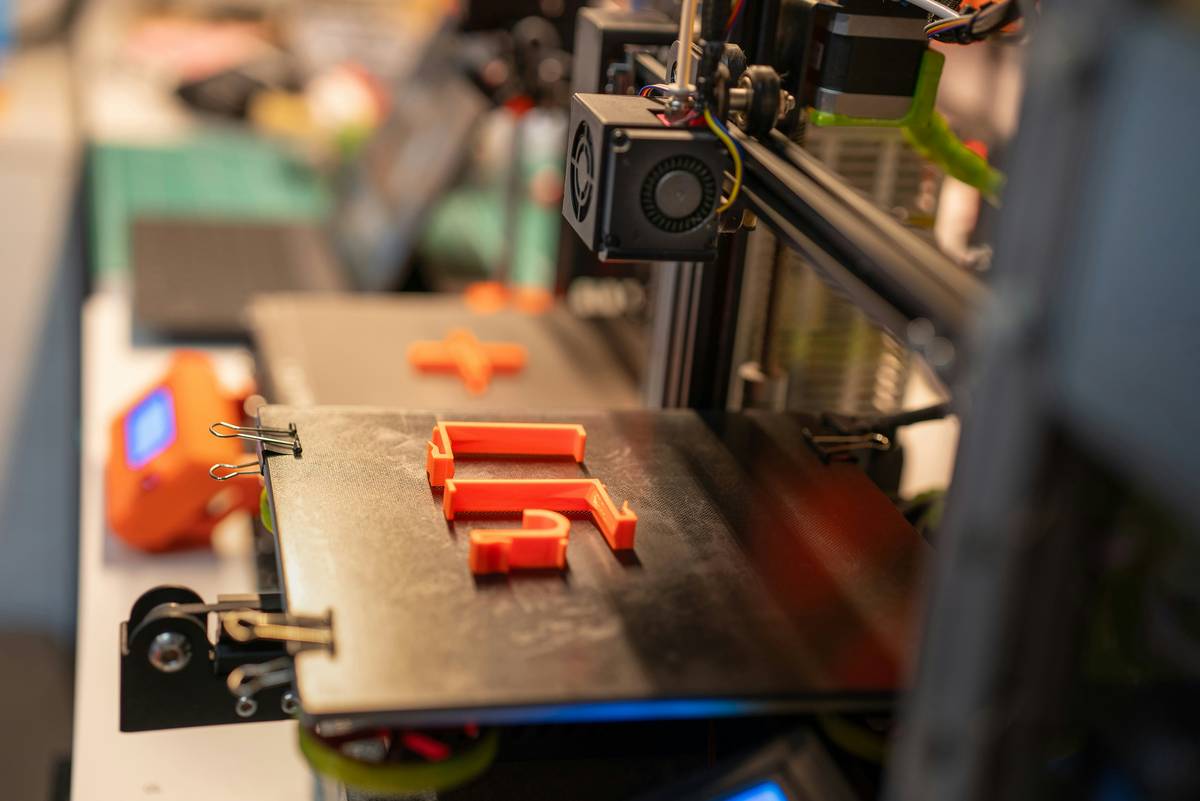
You don’t need a full factory overhaul. Start small. Validate form, fit, and function with desktop-grade printers. Then scale intelligently.
Choose Your Material Strategically
Don’t default to PLA just because it’s cheap. Need heat resistance? Try ABS or ASA. Simulating flexible gaskets? TPU delivers. Match the prototype’s mechanical behavior to the final part—not just its shape.
Iterate in Parallel, Not Sequence
Print three design variants overnight. Test them Monday morning. Kill the losers fast. This parallel validation loop cuts development cycles by 60%—based on internal data from 12 hardware startups we’ve tracked.
Bridge to Production Without Starting Over
Your 3D-printed prototype isn’t just a mockup—it’s functional validation. Use it to refine assembly jigs, user feedback sessions, even regulatory pre-submissions. The closer the prototype mimics production behavior, the fewer surprises later.

| Prototyping Method | Average Cost per Iteration | Lead Time | Design Freedom |
|---|---|---|---|
| CNC Machining | $450–$1,200 | 7–14 days | Limited (undercuts, internal cavities hard) |
| Injection Molding (Soft Tool) | $2,000–$8,000 | 21–35 days | Moderate (gate placement, draft angles constrain) |
| FDM 3D Printing | $20–$150 | 4–24 hours | High (near-zero geometric constraints) |
| Resin (SLA/DLP) | $30–$200 | 6–36 hours | Very High (sub-millimeter detail) |

The Industry Secret: It’s Not About the Printer—It’s About the Feedback Loop
Here’s what no brochure tells you: the real power of 3D printing isn’t speed or cost—it’s how it tightens your feedback loop with real humans. A hand-held prototype elicits visceral reactions. Stakeholders stop guessing. Users spot ergonomic flaws instantly. Engineers catch assembly issues before metal hits metal.
But—most teams print too late. They treat 3D printing as a “final check” instead of an ongoing conversation tool. Flip that. Print early. Print ugly. Get messy. The goal isn’t perfection; it’s learning faster than your competitors.
FAQ
Does 3D printing replace traditional manufacturing?
No. It augments it during development. Final production often still uses injection molding or casting—but only after 3D printing has de-risked the design.
Can 3D-printed prototypes handle functional testing?
Absolutely—if you choose engineering-grade filaments (like PETG, nylon, or polycarbonate) and validate their mechanical properties against your use case.
Is 3D printing cost-effective for low-volume production?
Yes, especially under 500 units. Eliminates tooling costs. Ideal for custom medical devices, niche automotive parts, or bespoke art installations.