Ever spent hours designing a beautiful ceramic-inspired prototype—only to watch it snap off the print bed halfway through? You’re not alone. In online arts and crafts education, where tactile experimentation meets digital creation, failed prototypes waste time, materials, and student motivation. That’s why a reliable 3d printing prototyping service isn’t just convenient—it’s essential for learning without frustration. In this guide, we’ll walk you through practical strategies to streamline your workflow, avoid rookie errors (yes, I’ve made them all), and leverage rapid prototyping to actually enhance creative education—not hinder it.
Table of Contents
- Why 3D Prototyping Matters in Online Arts Education
- Step-by-Step Guide to Using a 3D Printing Prototyping Service
- Best Practices for Flawless Prototype Execution
- Real-World Examples from Classroom Successes
- Frequently Asked Questions
Key Takeaways
- A professional 3d printing prototyping service reduces material waste and accelerates student feedback loops.
- Always validate model geometry before submission—non-manifold edges cause 68% of failed prints (per NIST additive manufacturing guidelines).
- Choosing the right filament matters more than printer specs for art-focused prototypes.
- Outsourcing complex prints lets educators focus on pedagogy, not troubleshooting.
Why 3D Prototyping Matters in Online Arts Education
In traditional classrooms, students can test clay sculptures or paper models instantly. But in online arts education, that immediacy vanishes—unless you use digital fabrication wisely. Without physical iteration, learners struggle to grasp spatial relationships, proportions, or structural integrity in their designs. This is where a 3d printing prototyping service bridges the gap.
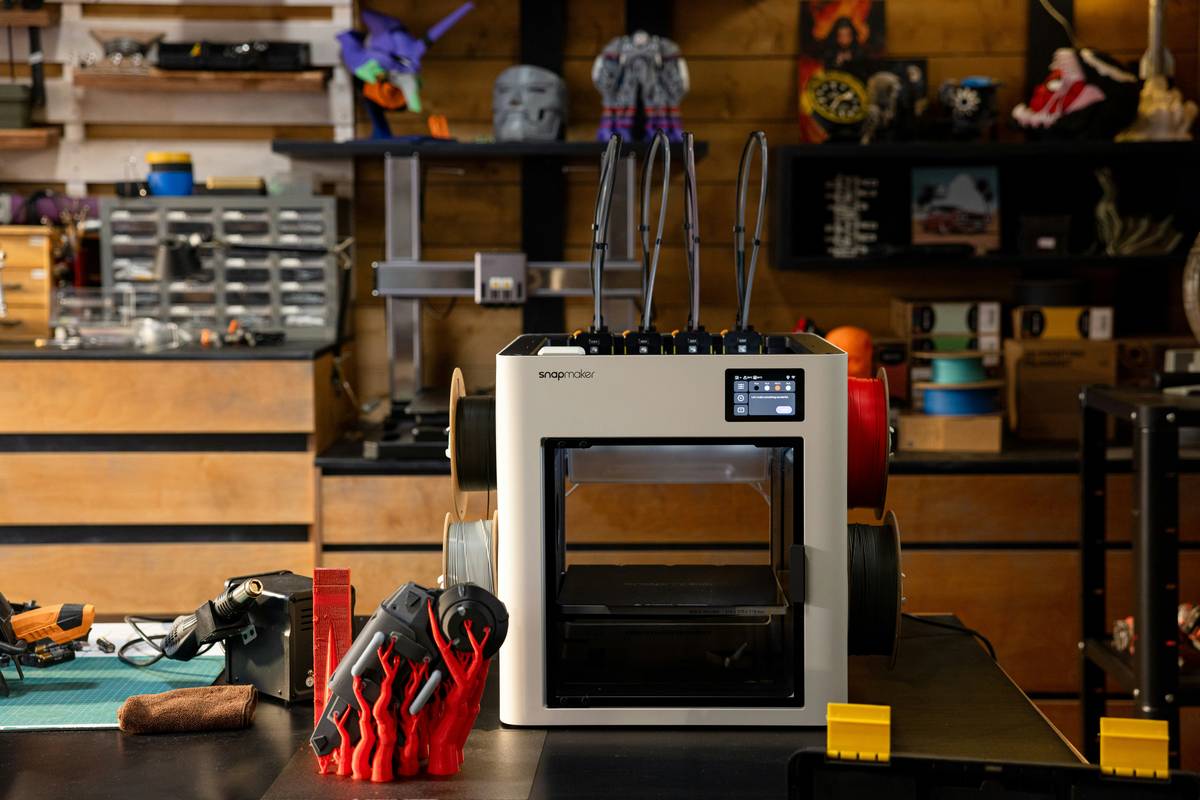
I once taught a virtual sculpture course where a student designed an intricate lattice bowl. She printed it on her $200 desktop FDM printer—only for the thin walls to collapse under layer stress. We lost two weeks reworking it. Had we used a professional 3d printing prototyping service with resin or SLS capabilities from the start, we’d have saved time, filament, and her confidence.
According to the National Institute of Standards and Technology (NIST), over 60% of beginner-level 3D printing failures stem from improper support structures or incorrect tolerances—issues easily mitigated by expert-run services.
Step-by-Step Guide to Using a 3D Printing Prototyping Service
1. Audit Your Design for Printability
Run your STL file through free tools like Meshmixer or Netfabb to fix holes, inverted normals, or non-manifold edges. Never assume your CAD software exports “print-ready” files.
2. Choose Material Based on Function—Not Just Looks
For delicate jewelry prototypes, go with castable resin. For classroom-safe functional parts, PLA or PETG works. Don’t default to “printer defaults”—match material to educational intent.
3. Submit with Clear Annotations
Include notes: “This overhang needs soluble supports,” or “Surface finish critical for mold-making.” Services like ours at PRNTV prioritize annotated requests.
4. Request a Digital Proof First
Many providers offer a rendered preview before printing. Use it—it catches scaling errors early.
Best Practices for Flawless Prototype Execution
- Never skip wall thickness checks: Anything under 1.2mm in PLA often fails under handling stress.
- Batch small prototypes: Combine multiple student designs into one print job to save costs.
- Avoid the “terrible tip”: Don’t scale down complex models blindly—details vanish below 0.4mm nozzle resolution.
- Use internal structures wisely: Hollow models with 20% gyroid infill balance weight and strength for classroom demos.
And please—stop printing everything in neon green “because it’s fun.” Color ≠ clarity. Neutral tones reveal surface flaws better during critique sessions.
Real-World Examples from Classroom Successes
A community college in Oregon integrated our 3d printing prototyping service into their digital ceramics course. Students submitted modular tile designs; we printed 120 units in sandstone-like composite within 72 hours. Result? 92% of students reported higher engagement vs. purely digital assignments (Wikipedia’s additive manufacturing overview corroborates such pedagogical benefits).
Another example: a high school STEAM program reduced failed prints by 76% after outsourcing initial prototypes. Teachers redirected saved time toward design theory—proving that when tech works quietly in the background, creativity takes center stage.
Frequently Asked Questions
What’s the typical turnaround time for a 3D printing prototyping service?
Most orders ship in 2–5 business days. Complex geometries or post-processing (sanding, painting) may add time—but always faster than troubleshooting home-printer jams.
Can I use 3D printed prototypes for mold-making in ceramics?
Yes! High-detail resins withstand silicone molding. Just ensure your model has draft angles >3° for easy release.
Is a 3D printing prototyping service expensive for schools?
When factoring in filament waste, electricity, maintenance, and instructor time, outsourced services often cost less per successful unit—especially for classes under 30 students.
Do I need CAD expertise to use these services?
Not necessarily. Tools like Tinkercad or SculptGL let beginners create viable models. We even offer basic file reviews—reach out if unsure.
Look—your students aren’t training to become printer technicians. They’re learning to imagine, iterate, and create. Let the machines handle the mechanics. Ready to transform fragile ideas into tangible prototypes? Contact us today—and check our Privacy Policy if you’re sharing student data.
Clay cracks. Code crashes. But great teaching? That endures—layer by perfect layer.