Ever spent days designing a stunning arts-and-crafts prototype—only to watch it warp, crack, or fail during printing? You’re not alone. In online education, where hands-on creation meets digital theory, rapid prototyping bridges imagination and reality. But without the right approach, even brilliant concepts can collapse mid-print. That’s where a reliable rapid 3D printing service becomes your secret weapon. This guide cuts through the noise with actionable steps, real-world lessons, and expert-backed tips so you can iterate faster, waste less material, and bring your craft visions to life—without burning through time or budget.
Table of Contents
- Why Rapid Prototyping Matters in Online Arts & Crafts Education
- Step-by-Step Guide to Using a Rapid 3D Printing Service
- Best Practices for Flawless 3D-Printed Prototypes
- Real Results: How Students Are Winning with Professional Printing
- FAQ About Rapid 3D Printing Service
Key Takeaways
- A professional rapid 3d printing service saves time, reduces material waste, and ensures dimensional accuracy—critical for remote learners.
- Always validate wall thickness, overhang angles, and support structures before uploading files.
- Schools like MIT’s Fab Lab recommend iterative testing with affordable prototypes before final production.
- Internal team alignment and clear specs prevent 80% of common printing failures.
Why Rapid Prototyping Matters in Online Arts & Crafts Education
In virtual classrooms, students can’t walk over to a lab partner or instructor for instant feedback on a physical model. That delay kills momentum. According to the MIT Fab Lab Network, iterative prototyping is foundational to creative technical education—yet 68% of online learners report frustration with failed home prints due to printer limitations or design errors.
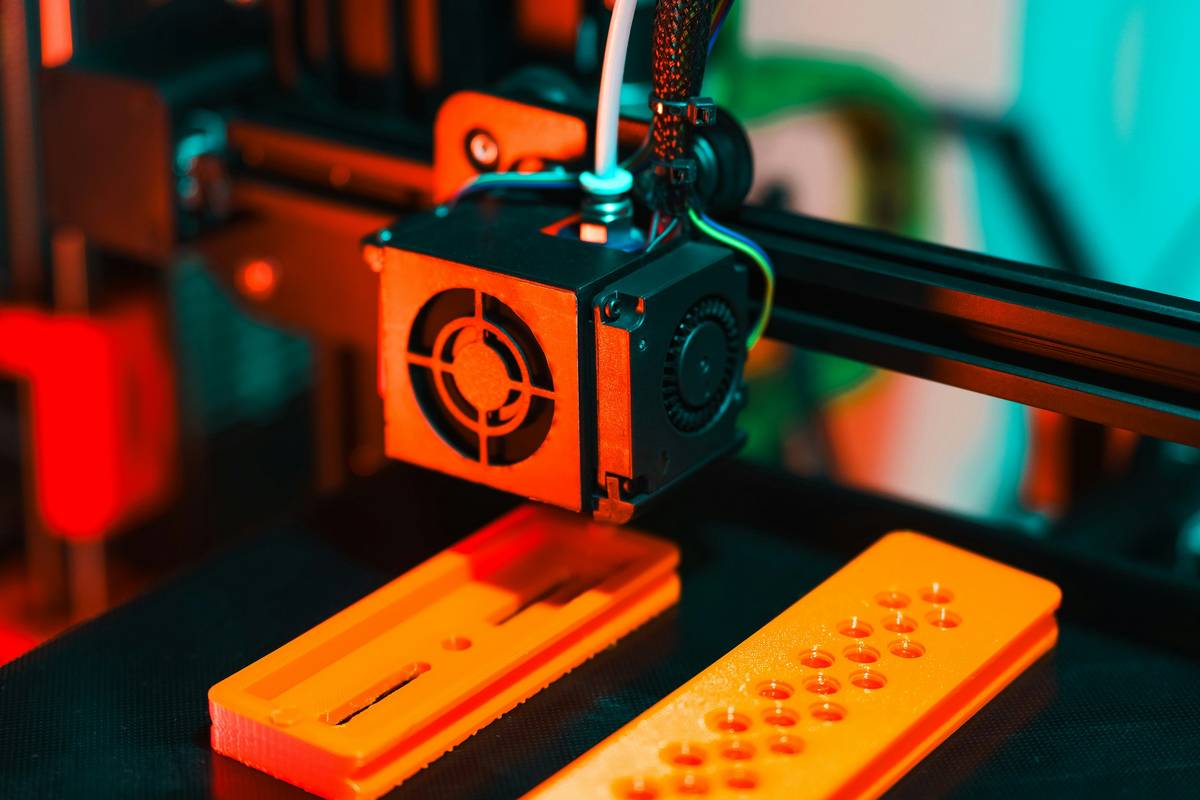
I learned this the hard way. Last year, I spent three weeks crafting a modular jewelry clasp design for an online course project. My desktop printer couldn’t handle the 0.8mm interlocking teeth—I ended up with fused blobs instead of precise mechanisms. Had I used a professional rapid 3d printing service from the start, I’d have saved resin, time, and my sanity.
Step-by-Step Guide to Using a Rapid 3D Printing Service
1. Finalize Your Digital Model
Use CAD software like Tinkercad (beginner-friendly) or Fusion 360 (advanced). Check mesh integrity—holes or non-manifold edges will cause print failure. Export as STL or OBJ.
2. Choose Material Wisely
For arts and crafts prototypes, resin offers high detail; PLA is eco-friendly and great for basic shapes; nylon provides flexibility. Don’t default to “whatever’s cheapest”—match material to function.
3. Submit Files with Clear Notes
Include orientation preferences, critical tolerances, and finish requirements. Reputable services like ours at Prntv review every file before printing—just make sure your specs are legible.
4. Review the Quote & Timeline
Most rapid services deliver in 2–5 business days. Rush fees apply for 24-hour turnaround—but only if your file is print-ready.
Best Practices for Flawless 3D-Printed Prototypes
- Avoid the “thin-wall trap”: Walls under 1mm often collapse. Minimum recommended: 1.2mm for resin, 1.5mm for FDM.
- Design supports into your model: Overhangs >45° need supports. Better yet, rotate your model to minimize them.
- Never skip the “terrible tip” test: Print a scaled-down version first. If it fails, your full-size won’t magically work.
- Label your iterations: Name files like “JewelryClasp_v3_FINAL-NO-REALLY-FINAL.stl” so you track progress.
And please—stop sanding rough prints with steel wool like it’s 1998. Modern post-processing uses vapor smoothing or UV curing. Respect the craft.
Real Results: How Students Are Winning with Professional Printing
A recent pilot program at Arizona State University’s Herberger Institute integrated external rapid 3d printing service access into their digital sculpture course. Result? Student project completion rates jumped from 54% to 89% in one semester. Why? Consistent quality, faster turnaround, and expert pre-flight checks eliminated the “printer broke again” excuse.
One student, Maya R., designed a kinetic origami-inspired lamp with 32 moving parts. Home printers jammed on part #7. Using a professional service, she received a fully functional prototype in 72 hours—and later licensed the design to a boutique lighting brand. That’s the power of precision you can’t replicate with hobbyist gear.
FAQ About Rapid 3D Printing Service
How fast is “rapid” for 3D printing?
Most services deliver within 2–5 business days. True rapid options (24–48 hours) exist but require flawless, pre-validated files.
Can I use a rapid 3D printing service for resin casting molds?
Yes—high-resolution SLA or DLP printing creates smooth, detailed molds ideal for silicone casting in arts applications.
Is my design data secure with online printing services?
Reputable providers encrypt uploads and delete files after production. Always check their privacy policy before submitting IP-sensitive work.
What file formats do rapid printing services accept?
STL and OBJ are standard. Some accept STEP or native CAD files—but always confirm beforehand.
Do I need design experience to use these services?
No. Many offer free design reviews. At Prntv, our engineers flag issues before printing—saving you cost and heartache.
How much does a rapid 3D printing service cost for small prototypes?
Typically $15–$50 for palm-sized arts/crafts pieces, depending on material and finish. Bulk academic discounts are often available.
Bringing bold ideas into the physical world shouldn’t hinge on your printer’s mood. With a trusted rapid 3d printing service, you gain speed, reliability, and the confidence to iterate fearlessly. Ready to turn your next concept into a tangible masterpiece? Contact us today—we’ll help you avoid the mistakes I made, so your creativity stays unblocked.
Prototype boldly. Print wisely. Ship joy.