Most artists and craft designers waste weeks—and thousands—on failed prototypes. Traditional sculpting, molding, or hand-carving can’t keep up with iterative design. But additive manufacturing technologies 3d printing flips the script: prototype in hours, not months.
Why Traditional Prototyping Fails Artists
Clay warps. Plaster cracks. Wood grain fights your vision. And CNC? Overkill for organic curves. These methods assume you already know exactly what you want—which defeats the purpose of prototyping. Trial-and-error becomes financially unsustainable fast.
And even if you nail the form, scaling or modifying it later means starting from scratch. That’s not iteration—it’s punishment.
additive manufacturing technologies 3d printing: A Step-by-Step Workflow for Makers
Forget “just hit print.” Precision comes from process—not magic buttons. Here’s how top-tier creators actually do it:
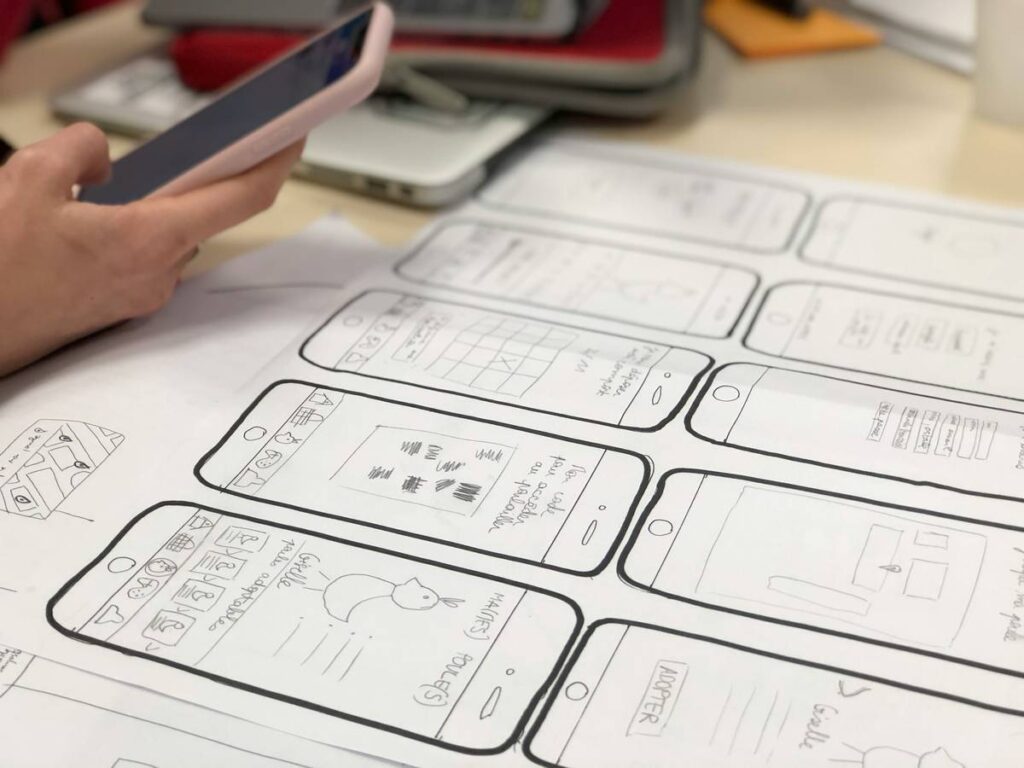
Sketch → Digital Model → Test Print
Start analog if you must—but get into CAD fast. Tools like Fusion 360 or Blender free up creative constraints. Sculpt digitally, rotate endlessly, spot flaws before material ever touches nozzle.
Choose the Right Material (Not Just PLA)
PLA is fine for early concept models. But if you’re crafting wearable art, ceramic composites, or flexible jewelry, look at TPU, PETG, or resin blends. Each behaves differently under post-processing—sanding, painting, glazing.
Optimize for Support Minimization
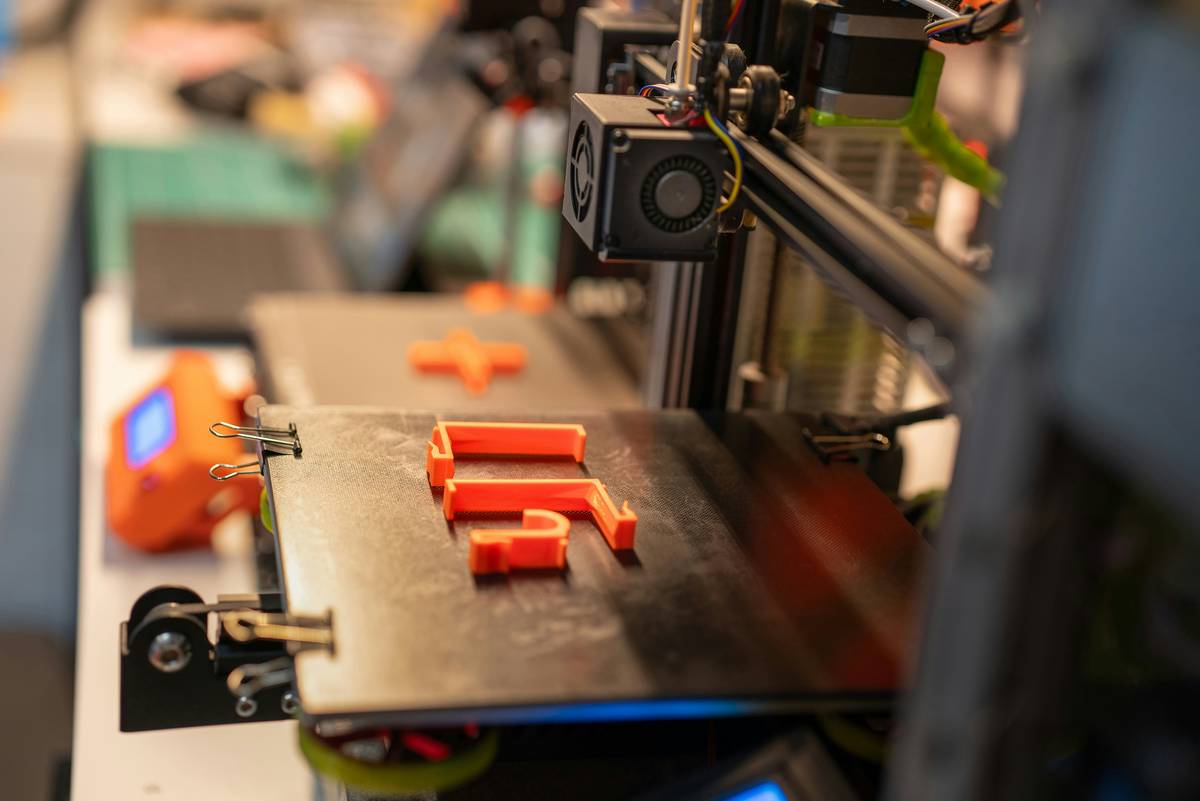
Overhangs kill aesthetics. Redesign angles to stay under 45° where possible. Not for machine convenience—for visual integrity. Less support = cleaner surfaces = less manual labor.
| Method | Cost per Prototype (Est.) | Turnaround Time | Ideal For |
|---|---|---|---|
| FDM (Filament) | $8–$25 | 2–12 hrs | Form studies, large sculptures, student projects |
| Resin (SLA/DLP) | $15–$40 | 4–24 hrs (+ post-cure) | Intricate jewelry, miniatures, surface-detail work |
| SLS (Powder Bed) | $75–$200+ | 2–5 days (outsourced) | Functional interlocking parts, no supports needed |
| Hand Sculpting + Mold | $50–$300+ | Days to weeks | One-offs with organic texture (but poor repeatability) |

The Industry Secret: 3D Printing as a Thinking Tool
Here’s what studios won’t tell you: the printer isn’t just outputting objects—it’s externalizing your intuition. When you hold a rough print within hours of sketching, your brain processes spatial relationships faster than any screen allows.
Top craft educators now mandate “ugly first prints”—low-res, fast iterations that force rapid feedback loops. Speed trumps polish early on. That mindset shift? That’s where breakthroughs happen. Not in perfect renders, but in messy, tangible mistakes you can touch.
Think about it: Michelangelo didn’t carve David from marble without maquettes. Today’s maquette is a $12 FDM print. The math is simple—fail cheap, learn fast, refine relentlessly.
Frequently Asked Questions
Can I use 3D printing for final art pieces—not just prototypes?
Absolutely. With post-processing (sanding, vapor smoothing, painting), prints become gallery-ready. Resin-based systems even mimic porcelain or bronze when finished properly.
Is additive manufacturing expensive for solo artists?
Entry-level printers start under $200. At $0.03/gram for PLA, most small prototypes cost under $5. Compare that to mold-making kits or bronze casting fees.
Do I need engineering skills to start?
No. Free tools like Tinkercad or SculptGL offer intuitive interfaces. You don’t need to be an engineer—you need to think spatially. And 3D printing trains that skill fast.