You signed up for classes on 3d printing. You watched the videos. You followed the steps. Yet your prototype cracked, warped, or never printed at all. Frustrating? Absolutely. But here’s the twist: the issue isn’t you—it’s the outdated curriculum most courses still push.
The Hidden Flaw in Standard 3D Printing Education
Most classes on 3d printing teach you how to operate a machine—not how to think like a designer. They skip material science. They ignore thermal dynamics. And they treat slicer software like a black box. Bad move.
Real prototyping demands more than button-pushing. It requires anticipating failure before the first layer hits the bed. Without that mindset, you’re just babysitting plastic spaghetti.
Your Step-by-Step Path to Reliable Prototypes
Start With Failure Modes, Not Filament Types
Before choosing PLA or ABS, ask: “What will break first?” Warping? Layer separation? Overhang collapse? Map your part’s weak points. Then reverse-engineer your print settings from there.
Calibrate Like an Engineer—Not a Hobbyist
Forget “roughly leveled beds.” Use feeler gauges. Measure nozzle height at all four corners. Track ambient temperature swings. Precision isn’t optional—it’s the baseline.
Validate with Functional Tests, Not Just Visuals
A shiny surface means nothing if your snap-fit breaks under 5N of force. Print test coupons alongside your prototype. Stress them. Measure deflection. Iterate fast.
| Approach | Time to First Reliable Print | Common Pitfalls | Cost Efficiency |
|---|---|---|---|
| Traditional Tutorials (follow-along) | 6–12 weeks | Ignores material behavior; no stress testing | Low—wastes 30%+ filament |
| Design-First Method (failure mapping) | 1–2 weeks | Requires upfront analysis time | High—cuts waste by 60% |
| Hybrid Lab Model (mentor + simulation) | 3–5 days | Needs access to pro-grade slicers | Very high—optimizes both time and material |
The Industry Secret: Prototyping Is 10% Printing, 90% Simulation
Top-tier innovation labs don’t hit “print” until they’ve run thermal stress simulations in Ultimaker Cura’s hidden developer mode—or better yet, Fusion 360’s generative design suite. Here’s the reality: your printer is just the final output device. The real work happens in virtual space.
But most classes on 3d printing never touch simulation tools. Why? Because it’s harder to teach. And harder to scale. That gap is your opportunity. Learn basic finite element analysis (FEA) principles. Even crude load-path sketches prevent catastrophic failures.
Think about it: would you build a bridge without calculating load distribution? Then why print a drone arm the same way?
Frequently Asked Questions
What’s the best 3D printing class for beginners focused on prototyping?
Look for courses that include design validation exercises—not just printer operation. Avoid any that promise “master 3D printing in 2 hours.” Real skill takes iterative failure.
Do I need an expensive printer to take classes on 3d printing seriously?
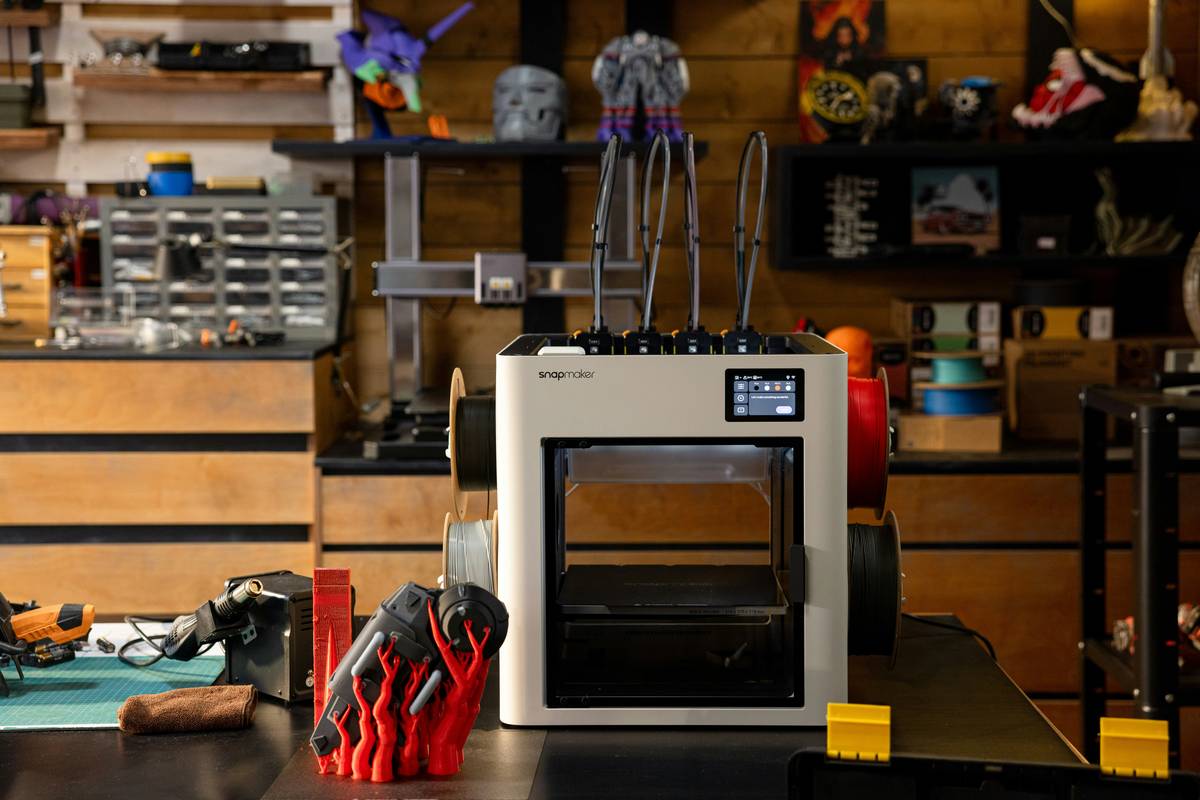
No. A $250 Ender 3 can produce engineering-grade prototypes—if you understand its mechanical limits and compensate in software. Gear matters less than methodology.
Can 3D printing classes help me get a job in product design?
Only if they teach parametric modeling, tolerance stacking, and material selection—not just how to export STL files. Demand evidence of real-world project outcomes.